ServicesDrywall Hanging
Drywall Hanging in Carteret, NJ
We hang new drywall in basements, additions, garages and gutted rooms. Sheets are laid out to cut down on seams and fastened so they stay flat. We plan the work around the weather so everything dries properly, and we keep the work area in your home clean while we're there.
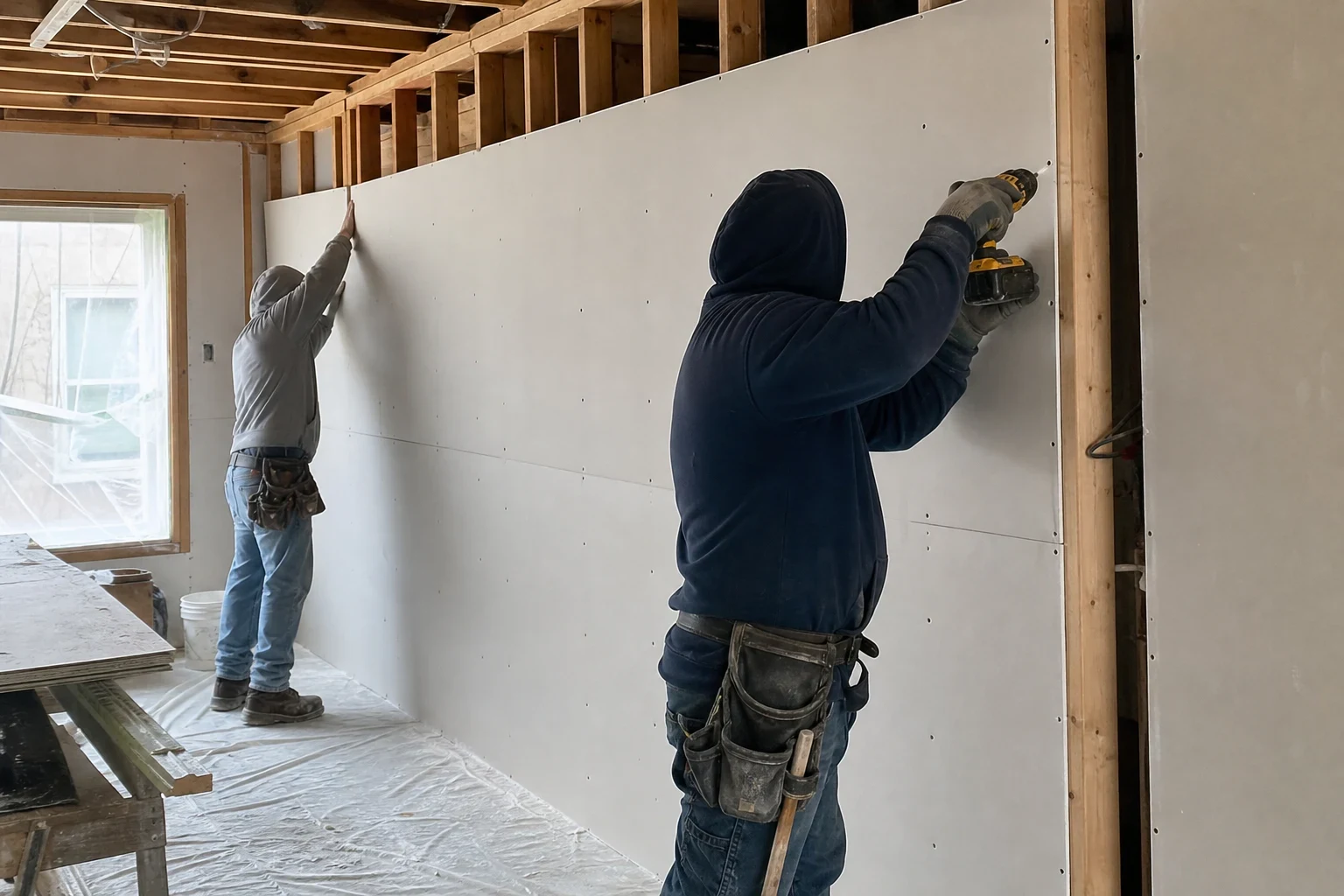
When new drywall makes more sense than a patch
Patching works when the damage is small. When a wall has been opened for new wiring, water soaked the lower half of a room, or you're finishing a basement or framing a new space, hanging fresh sheets is usually faster and cleaner than trying to save what's there.
Careful hanging is what makes a smooth, even finish possible later. We use longer sheets where the room allows so there are fewer end joints, stagger the seams so they don't line up, and set every screw just below the face without tearing the paper. That way the taping starts on a wall that is already flat.
Timing matters more than most people expect. Drywall and joint compound both react to heat and humidity, so we schedule with the season in mind. During muggy Carteret summers we run dehumidifiers and allow extra drying time, and in winter we make sure the space is heated before the first sheet goes up.
What our drywall hanging covers
Measuring and sheet layout
We measure each wall and ceiling and plan where every sheet lands. Fewer joints and no seams lined up at door and window corners mean fewer cracks down the road.
The right board for each room
Standard board goes on most walls. Ceilings and walls that need a fire rating, like the wall between an attached garage and your living space, get thicker board where code calls for it. Bathrooms and basements get moisture- and mold-resistant panels.
Fastening to the framing
Screws go in at the spacing the board is made for, driven to the right depth. We check that studs and joists are straight first, because a bowed stud shows through any finish.
Clean cutouts and corner bead
Openings for outlets, switches, windows and vents are cut tight so they cover cleanly. Outside corners get corner bead so they hold up to bumps from furniture and vacuums.
Ready for finishing
When the board is up, the room is ready for taping and mud. Most customers have us carry it straight through with our drywall finishing service.
A clean work area
Floors are covered, scraps are cut down and hauled out, and dust is kept to the room we're working in.
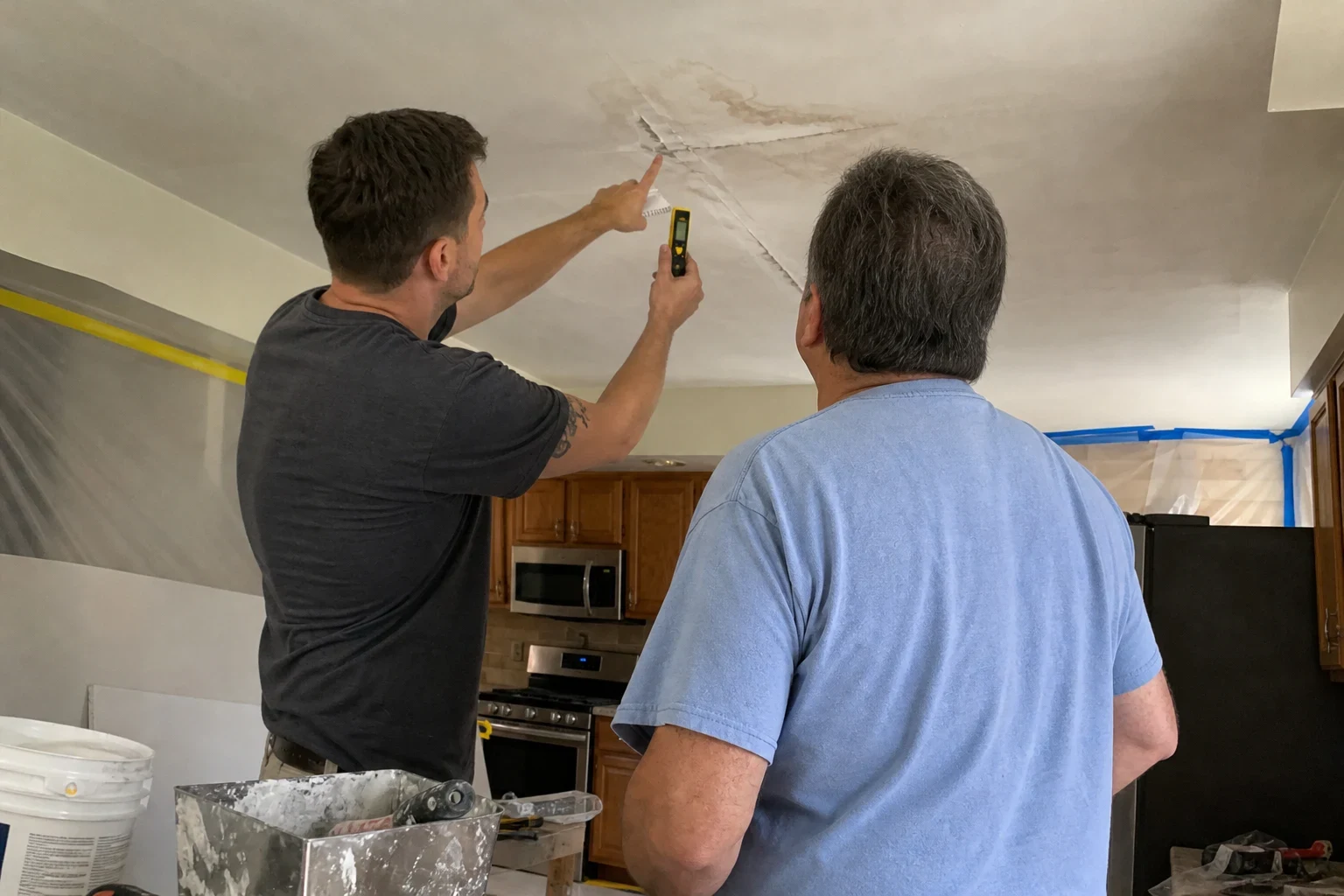
Signs your walls need new drywall, not another patch
- Water damage that went deep
- Board that feels soft, swells at the bottom or has paper peeling away has lost its strength. Once it dries, it rarely goes back to flat.
- A wall already opened up
- After electrical work or a remodel, large sections are often cut out. Hanging new sheets gives a cleaner result than a patchwork of pieces.
- A basement or garage you want to use
- Bare studs need to be covered before a space feels like part of your home. New drywall is the first step toward a finished room.
- Patches on top of patches
- When a wall has been repaired so many times that the surface is lumpy, replacing the section is often simpler than chasing every edge.
- Old plaster pulling loose
- Plaster that sounds hollow or sags from the lath can sometimes be covered with new board. We'll tell you honestly whether covering or removing it is the better choice.
How a drywall hanging job runs
- 1
A call, then a visit
First you tell us by phone about the room and what went wrong. We then stop by to inspect the framing, measure and check for moisture still in the space. You receive a written, line-by-line estimate.
- 2
A start date that suits the weather
We choose a day when the room can hold a steady temperature. The sheets arrive early and sit in the room for a while to acclimate before any cutting.
- 3
Covering your floors and doorways
We lay floor protection along the route and inside the room, and plastic goes over the doorways before the first sheet arrives. Please clear out any furniture we can't work around beforehand.
- 4
Overhead first, walls after
We hang the ceiling before the walls so the wall sheets support its edges. On the walls, the upper row goes on first, seams are offset, and we check each screw along the way.
- 5
Final walk and tidy-up
Together we go over the room and mark where the finishing work will go, then we sweep and haul the offcuts away.
What drives the price of new drywall
No two rooms are alike, so we set a price only after seeing the space. The estimate lists board, labor, tear-out and any permit separately so you know where each dollar goes. If an old wall hides a surprise, we show it to you before we act on it.
- Room size and ceiling height
- A bigger room takes more sheets and more labor. Tall ceilings call for scaffolding or a lift and slow the work so it gets done safely.
- Which board the room needs
- Fire-rated, moisture-resistant and mold-resistant panels are priced above standard board, and the heavier sheets take more work to handle.
- Getting sheets into the room
- Tight halls, narrow basement stairs and second floors sometimes force us to cut sheets down, which means more seams and more hours.
- The walls you have today
- Tearing out wet drywall or old plaster and carting it off adds labor and disposal costs. So does straightening crooked framing before new board goes up.
- Permit and inspection
- Finished basements and new rooms frequently require a permit and an inspection. The fee and the timing around the inspection are built into the price.
Questions about drywall hanging
- Do I need a permit to hang new drywall?
- It depends on the project. Replacing a damaged section in an existing room often doesn't need one, while finishing a basement or building a new room usually does under New Jersey's construction code. We'll tell you what we expect after seeing the space, and when a permit is needed we pull it and plan around the inspection.
- Can you hang drywall right over my old plaster?
- Sometimes. If the plaster is solid and mostly flat, thin board can go over it and save a messy tear-out. If it's loose, sagging or damp, it should come down first. We'll check it and give you a straight answer.
- How long will the job take?
- Hanging a single room often takes about a day once the room is ready. Finishing takes longer because each coat of compound has to dry before the next, and humid weather slows that down. We give you a realistic schedule at the estimate.
- Is there a best time of year to hang drywall?
- Spring and fall are the easiest, since the house is usually at a comfortable, steady temperature. Summer works with dehumidifiers running, and winter works as long as the room is heated. Many people finish basements in early fall so the space is ready for colder months.
- Do you tape and finish the walls too?
- Yes. Most of our hanging jobs continue straight into drywall finishing, and we can handle paint touch-ups on nearby areas afterward. One crew from start to end keeps the schedule simpler.
- Do I need to empty the room?
- It helps a lot. Please move small items and anything fragile out, and we'll talk about larger pieces during the walkthrough. We cover floors and seal doorways either way.
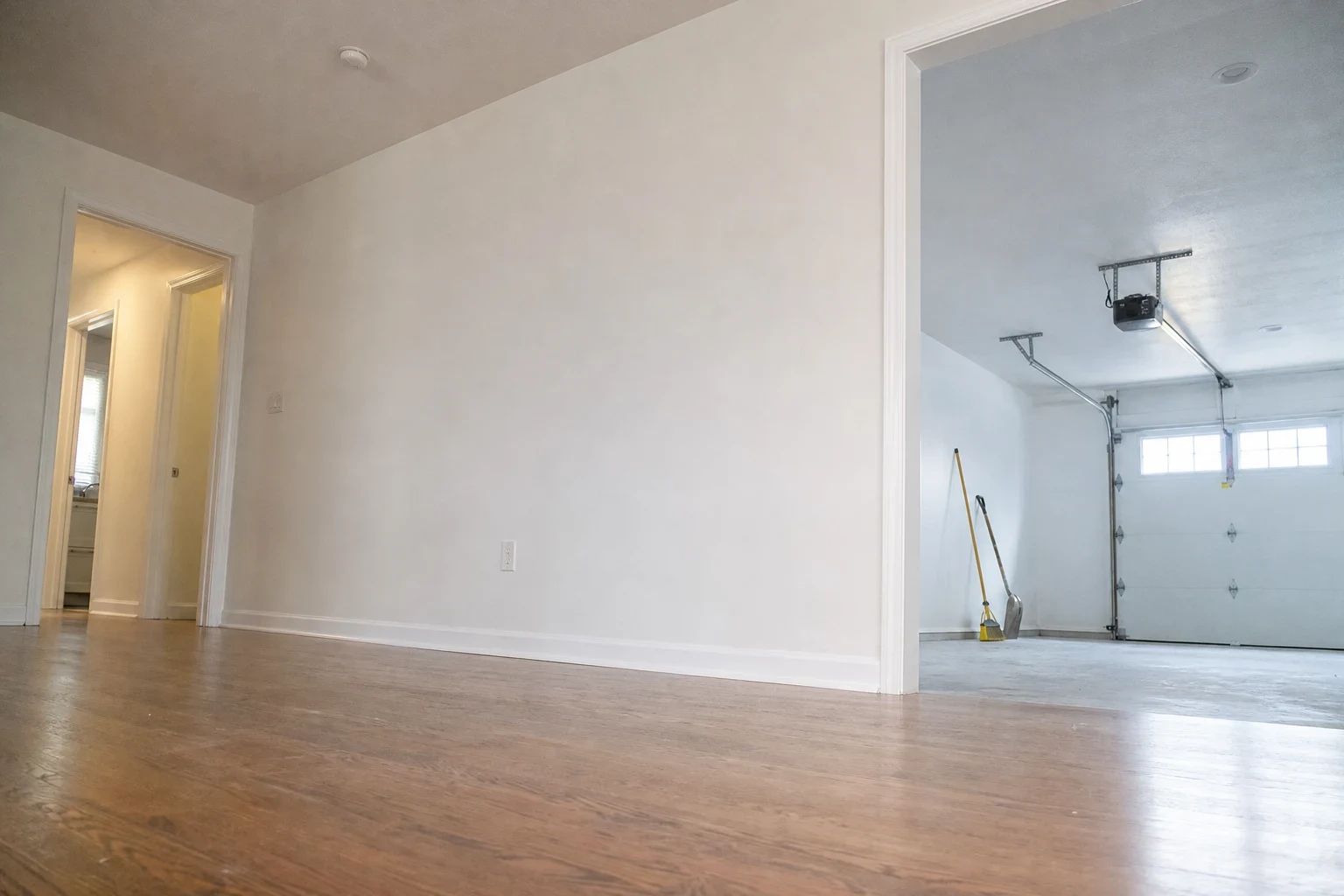
Get your new walls up before the season changes
Tell us about the room and what you want it to become. We'll come take a look, measure, and give you a clear written estimate along with a start date that suits the weather.