ServicesWall Repair
Carteret Wall Repair
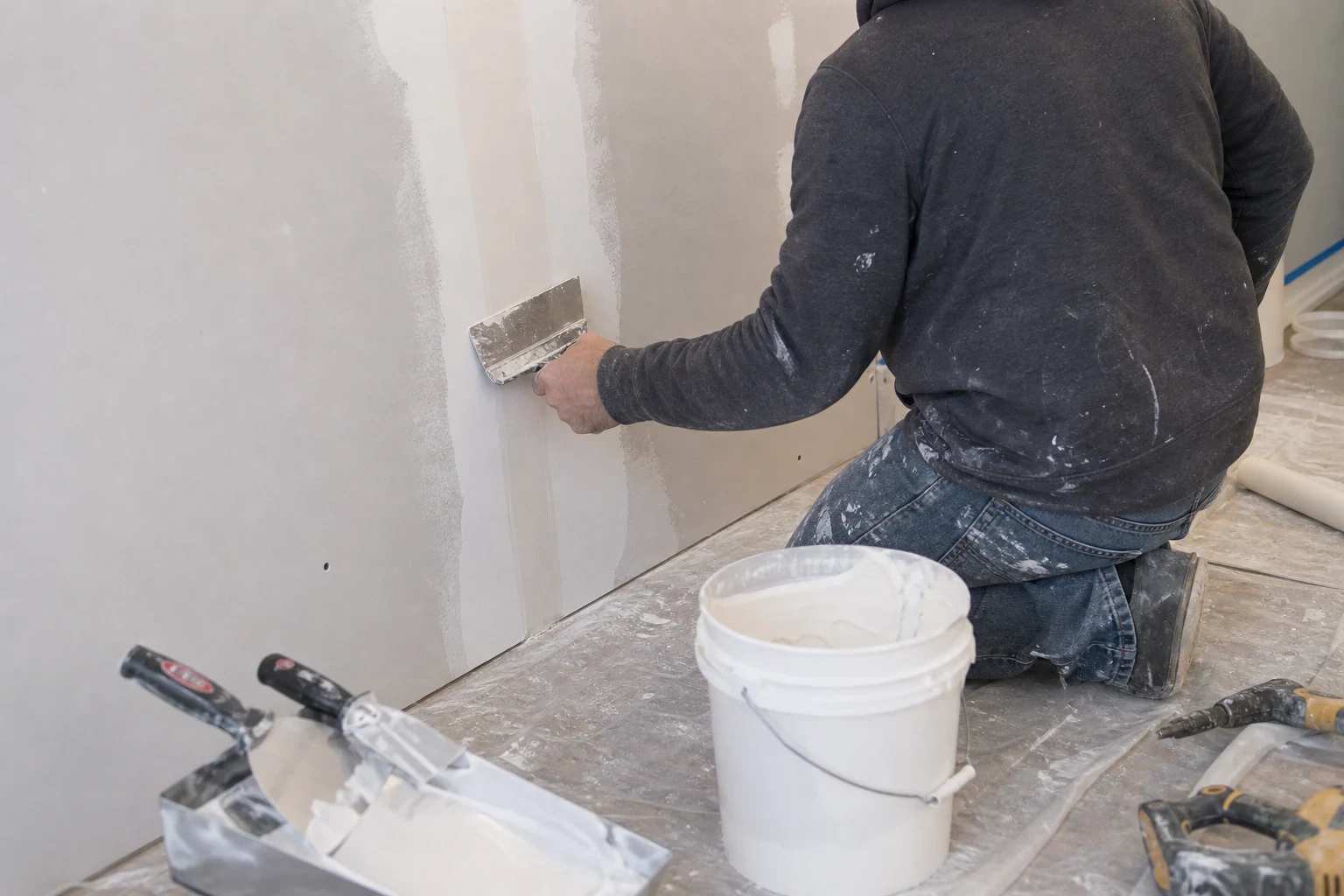
Cracks, dents, lifting tape, popped nails and old water marks all wear down a wall over time. We repair both drywall and older plaster, copy the existing texture and clean up after ourselves, so your room is set before the season changes.
What wall repair covers
Wall repair is the right call when the problem is bigger than one nail hole but smaller than tearing out a whole room. Think of a hallway with a crack running up from a door corner, a stairwell wall scuffed and gouged from a move, or a bedroom where the tape has started to lift along a seam.
Walls don't all behave the same way. Drywall cracks along seams and at the corners of windows and doors. Plaster over lath tends to crack in long, wandering lines and can pull away from the lath behind it. We look at which one you have before we decide how to fix it, because the right repair for plaster is different from the right repair for drywall.
Timing matters too. Walls move a little as homes swing from humid summers to dry, heated winters, and small cracks often open wider when the heat comes on. Fixing them in a mild stretch of spring or fall gives the compound time to cure properly and stay put.
What the repair covers
Cracks fixed to stay closed
We widen the crack, clear out anything loose, set new tape or mesh and spread compound well past the edges. Caulk or a fast skim coat only hides it until next season.
Dents, holes and gouges
Anchor holes, furniture marks and doorknob holes are trimmed back to sound material and patched. Bigger openings get backing behind them so the patch feels solid.
Nail pops, tape and seams
Tape that has lifted gets cut away and replaced. Fasteners that popped are reset with a screw and covered so the bump stays gone.
Outside corners and bead
Cracked or dented corner bead, metal or paper, is fixed or swapped out and finished straight, giving the corner a sharp edge again.
Repairs on plaster walls
With older plaster, we fasten loose sections back to the lath when needed, then fill and skim until the repair is level with the wall around it.
Matched texture and touch-up paint
Smooth, orange peel and light knockdown finishes are matched, then sanded and primed. Give us your leftover paint and we can touch up over the repair.
Signs your walls need attention
- Cracks that keep coming back
- If you've filled a crack before and it reopened, the original repair didn't bridge the movement. It needs tape and a proper finish.
- Diagonal cracks at door and window corners
- These are the most common stress points in a wall. They often grow during the dry heating months.
- Bubbling or peeling tape
- Loose tape along a seam usually means the bond failed or moisture got in at some point. It won't settle back down on its own.
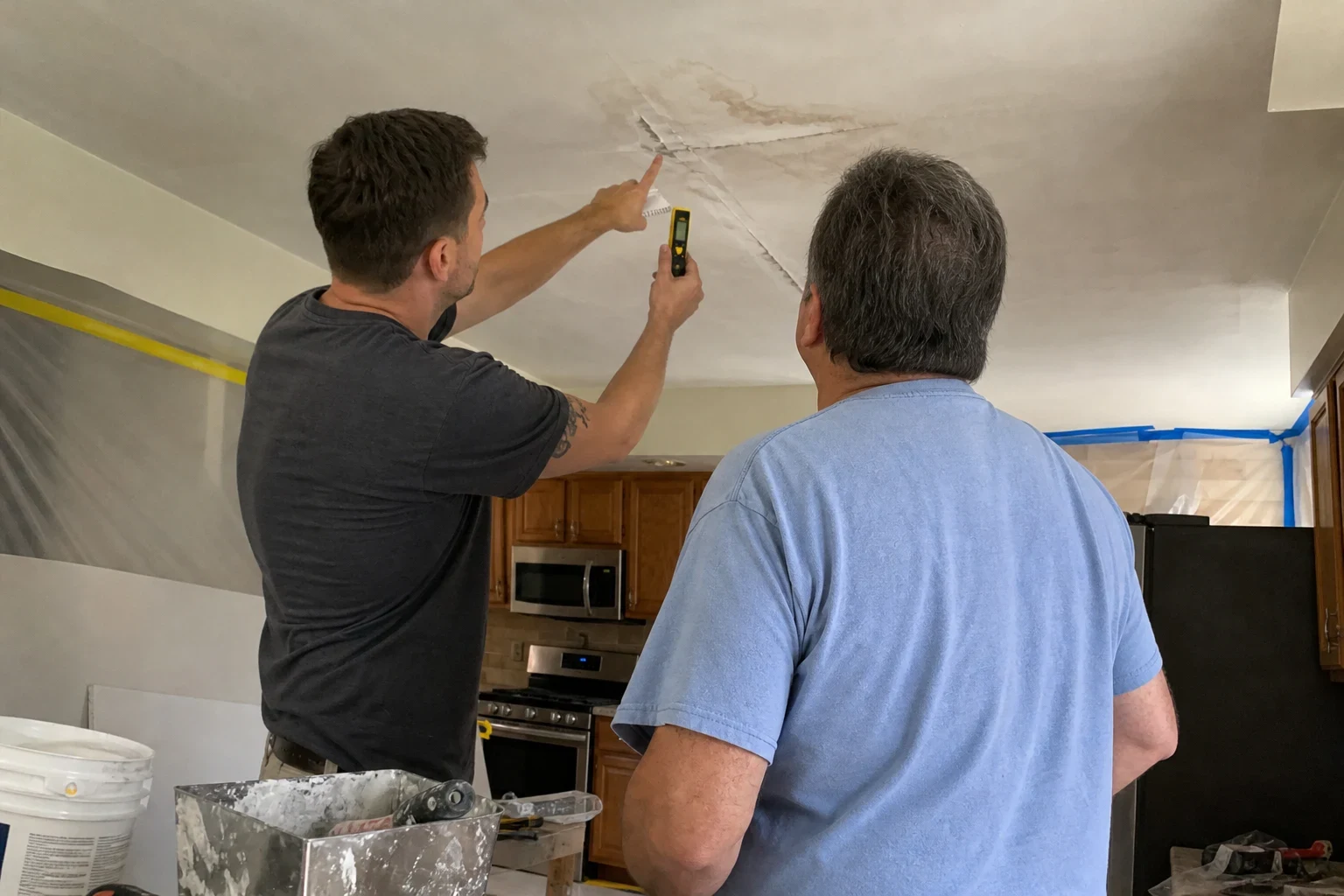
- Water marks or a spongy patch
- A tan or yellowish outline, or board that feels soft under your thumb, tells you water reached that wall at some point. After the leak itself is fixed, we remove the weakened piece and set in new drywall.
- Plaster that sounds hollow
- Tap an older plaster wall. If one area sounds hollow or moves, it may be separating from the lath and should be secured before it cracks further.
What a repair visit looks like
- 1
A phone call to start
Describe the damage and about how many spots there are. We ask how old the house is and whether the walls are plaster or drywall, then book a time to see them.
- 2
An in-person look
We inspect every damaged area and explain the cause and our plan, so the scope is clear before work begins.
- 3
Covering the room
We cover the floors, move or wrap furniture and mask doorways where dust might drift, so you can keep living in your home during the work.
- 4
Thin coats, full drying, then sanding
Joint compound goes on in several thin layers, and each dries completely before the next. Bigger repairs can take two or three visits, because nothing is sanded until it has cured.
- 5
Final finish and tidy-up
We match the texture, prime the repairs, vacuum the dust and carry out the debris, leaving the work area clean.
What moves the price of wall repair
Every wall job is priced from what we actually find, so we'd rather look than guess. A handful of things make the biggest difference, and we'll explain each one when we give you your quote.
- Number and size of repairs
- One crack in a hallway is a short job. A dozen holes and gouges across several rooms takes more coats, more drying time and more visits.
- Drywall or plaster
- Plaster usually takes more work to secure and blend than drywall, especially if sections have come loose from the lath.
- Texture and finish
- Flat, smooth walls blend in with less effort. Recreating orange peel or knockdown so it lines up with the rest of a wide section takes extra time and a few test passes.
- What's behind the damage
- Water-damaged sections need to be cut out and replaced, not just covered. Damaged corner bead or a long run of failed tape also adds to the scope.
Questions about wall repair
- Will the repaired spot show?
- We aim for it to vanish under paint. The compound is spread wide, the texture is matched and the surface is sanded smooth. Light skimming across any wall at a low angle can reveal small differences, so we inspect the repair with a light before we finish.
- Do plaster walls have to be swapped for drywall?
- Usually not. We fasten loose spots, fill the cracks and skim to match. When one section is in bad shape, we can replace only that piece with drywall and blend the edges in.
- Why do cracks in my walls spread during winter?
- Indoor heat makes the air dry, and the wood framing shrinks a little as it dries out. That slight shift tugs on corners and seams. A repair that is taped properly copes with it far better than a fill on the surface.
- Will the work be dusty?
- Sanding gives off fine dust, so floors and furniture get covered, doorways get masked and we vacuum while we work. The room should be usable once we leave.
- Is painting part of the repair?
- Repaired spots get primed, and we can touch up the paint with whatever you have left over. Full rooms and new colors are not something we offer, and we will say so plainly when we see the job.
Get your walls ready before the weather turns
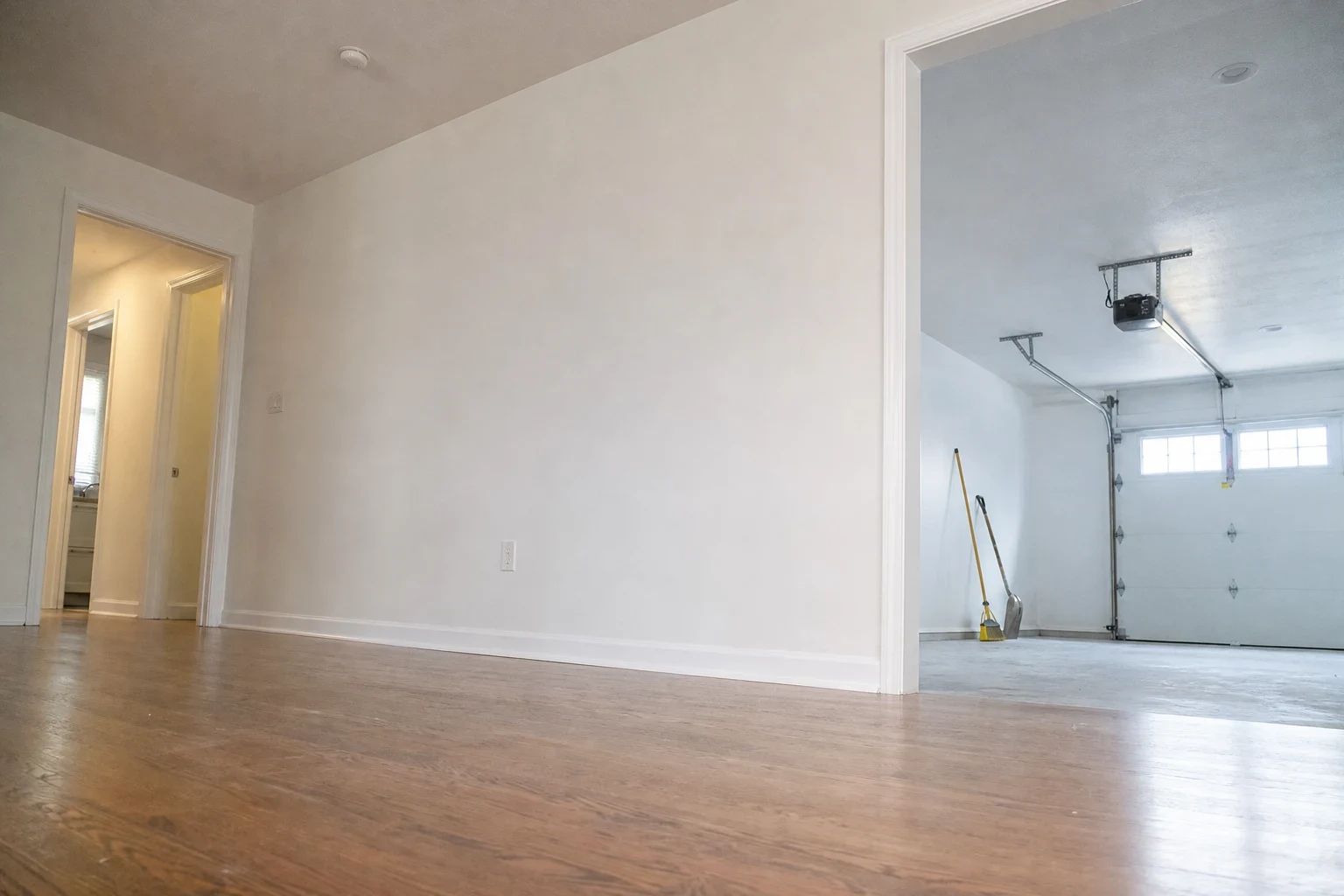
Tell us what's cracked, dented or peeling and which rooms it's in. We'll talk through the repair and set a time to come take a look.