ServicesPaint Touch-Ups
Paint Touch-Ups in Carteret, NJ
A good drywall patch can still stick out if the paint over it is the wrong shade or shine. We match your existing color and sheen, feather the edges and leave a clean work area, so the spot you were staring at simply blends back into the wall.
When a Touch-Up Is the Right Call
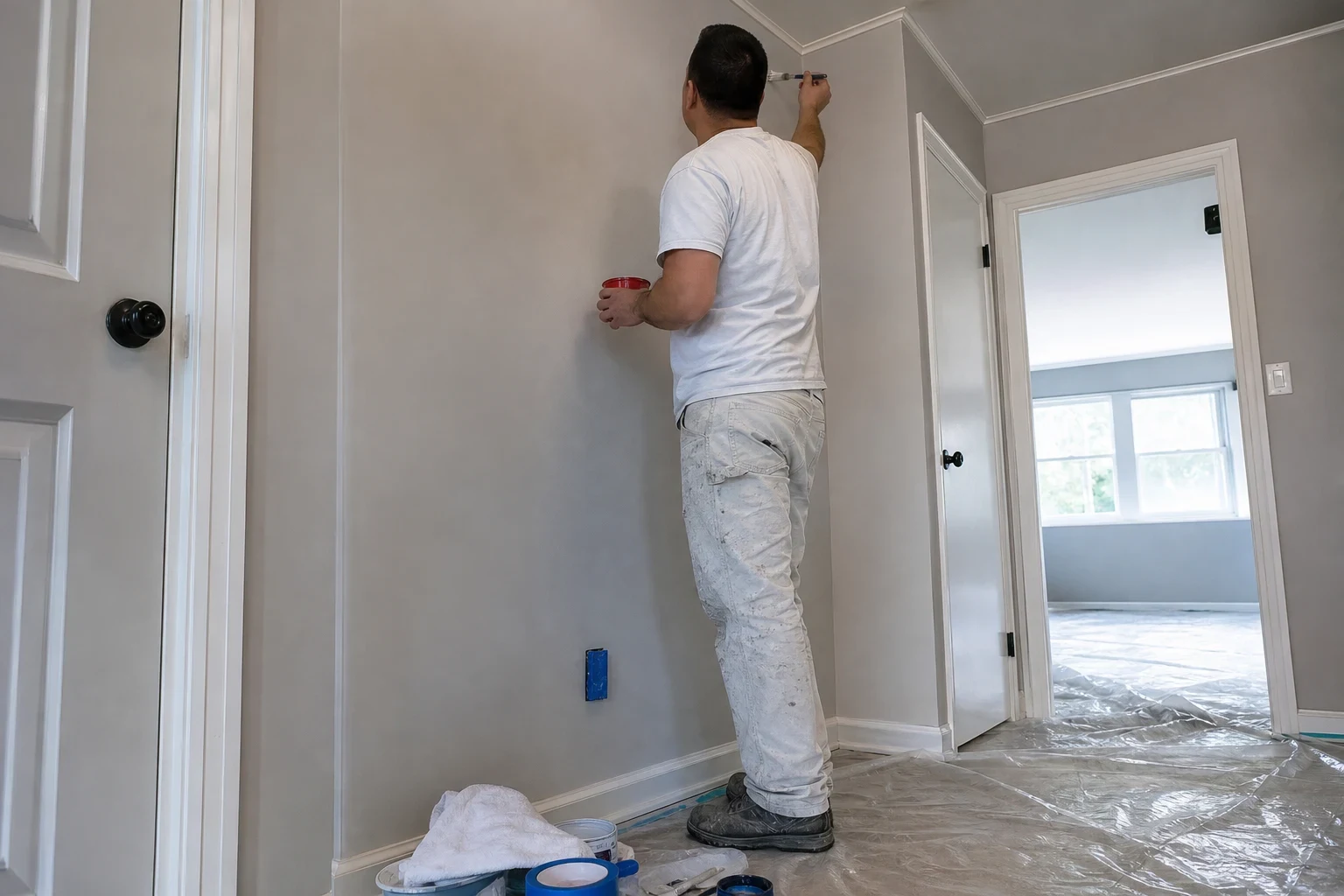
Paint touch-ups make sense when the wall itself is sound and only a few spots look wrong: a patched hole that still shows, scuffs along a hallway, a dinged corner or a row of nail pops after a dry winter. We fix the surface where needed, then paint just those areas so they disappear into the rest of the wall.
The trick is not the brush. It is matching what is already there, including the color, how glossy it is and the way the old coat was rolled on. Paint that looks right in the can can flash as a shiny or dull patch once it dries, so we test before we commit.
Many customers book touch-ups around the calendar. Spring is a good time to clean up the cracks and pops that show after months of indoor heat, and early fall works well for getting rooms ready before the holidays bring company.
What Every Touch-Up Covers
- 01
Matching color and sheen
Your leftover paint comes first if you kept it. If not, we take a tiny sample from an out-of-sight spot and get it matched, then compare flat, eggshell or satin on the wall before we paint.
- 02
Prepping each spot
We clean scuffs, fill nail holes and small dents, and lightly sand rough edges. A smooth finish needs a smooth surface under it.
- 03
Priming fresh patches
Bare joint compound soaks up more than painted drywall, so paint brushed right onto it usually dries flat and blotchy. Primer seals the patch first, and the final sheen matches the wall around it.
- 04
Blended edges
Each coat runs a little past the repair and gets lighter near its edge, so old and new paint fade into each other with no sharp line.
- 05
Corners and ceilings too
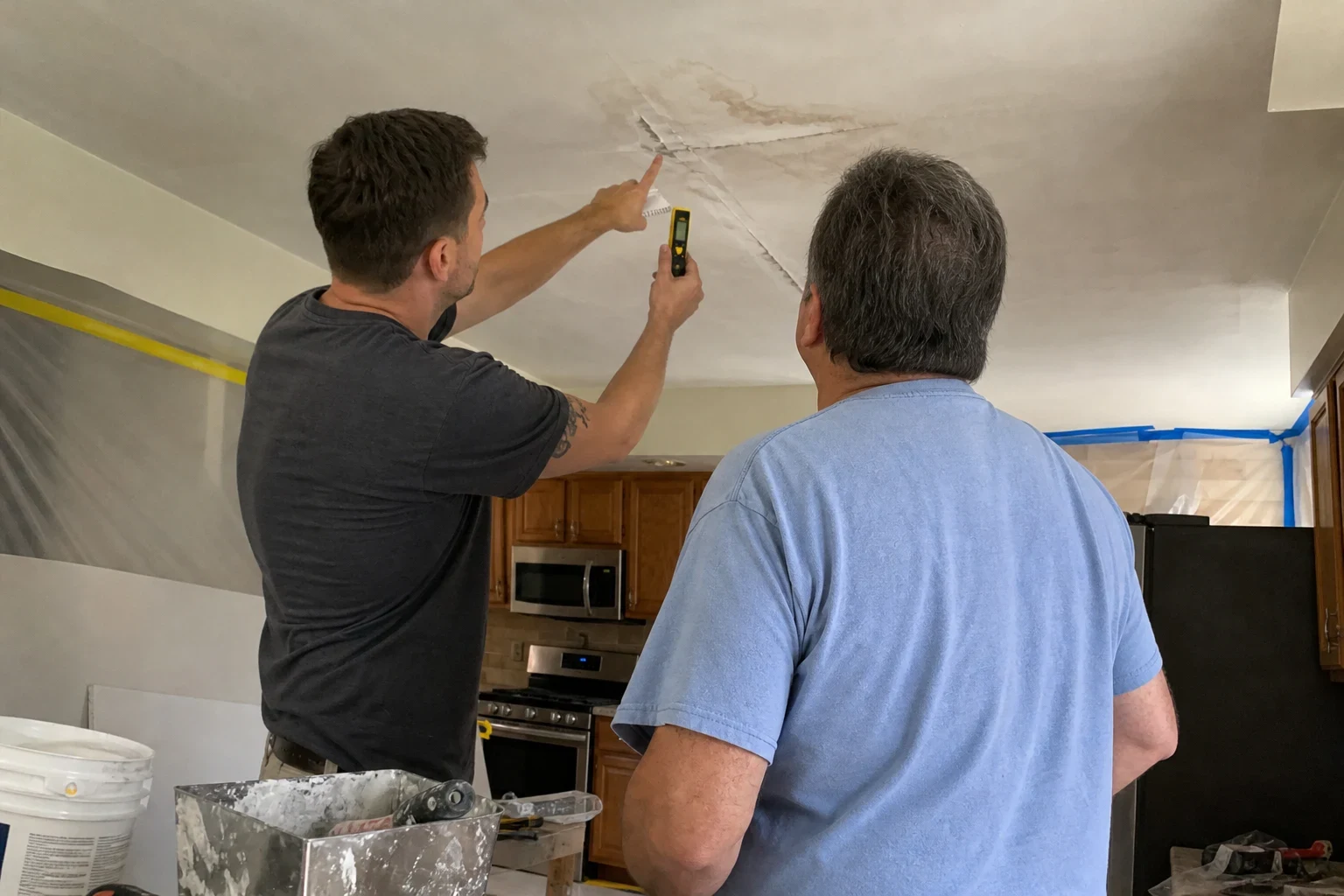
Covered-over ceiling water stains, cracked inside corners and chipped outside corners get the same close match, with stain-blocking primer wherever a mark might bleed through.
- 06
A neat finish
We cover furniture and floors, then fold up the drop cloths and wipe things down before leaving.
Questions about Paint Touch-Ups?
Call(732) 696-7648When a Spot Is Ready for Fresh Paint
A repair that still shows
The hole is filled, yet a pale square or glossy rectangle shows up whenever light hits that wall. Most of the time the compound was never primed or the sheen is a step off.
Scuffs that won't wipe off
Hallways, stairways and the wall behind a door take a beating. When cleaning starts to lift the paint, it is time to repaint those spots.
Nail pops and hairline cracks
Seasonal swings in humidity make framing move a little, and screws or tape seams can show through. We reset and fill them, then paint.
Marks left after moving furniture or pictures
Anchor holes, outlines from frames and dents from furniture are common when you rearrange a room or a tenant moves out.
Old stains on the ceiling
A dried water ring that the leak has long since stopped causing still needs a stain blocker before paint, or it will bleed back through.
What Happens on a Touch-Up Visit
- 1
A short phone call
Tell us which spots bother you and whether any leftover paint is around. A few questions about the rooms and finishes let us show up prepared.
- 2
Check, test and match
We see each spot in person, confirm color and sheen, and try a small test where it counts. If something won't blend well, you hear about it before we begin.
- 3
Prep and primer
The floor gets covered, spots that need it are filled and sanded, and bare compound is primed. Humidity changes drying times, so on muggy summer days we leave more time between coats.
- 4
Paint and blend the edges
We apply the finish coats with the same roller or brush texture your wall already has and blend the edges outward.
- 5
Look it over and clean up
Together we check every spot in ordinary room light, then pack up our supplies and leave the room the way it was.
What Shapes the Cost of Touch-Ups
Touch-up work is priced by what is actually there, not by a flat room rate. A handful of nail holes in one room is a short visit, while patches spread across several rooms and ceilings take longer. We explain the drivers on the call and in person so nothing comes as a surprise.
- Number of spots and rooms
- Fewer, grouped repairs cost less than many scattered ones, since setup and cleanup repeat in each area.
- Whether you have the paint
- Leftover, labeled paint saves the step of sampling and matching. Without it, we need to have a color made.
- Surface repair needed first
- Clean scuffs only need paint. Dents, cracks and fresh patches need filling, sanding and primer before the finish coat.
- Height and access
- Stairwells, high ceilings and spots behind heavy furniture take more time and sometimes a ladder setup.
Paint Touch-Up Questions
My old paint is long gone. Can you still match the color?
In most cases. We lift a small chip from a spot nobody will see, have the color mixed to it and try it on the wall before going further. Walls that have faded over the years sometimes blend best when the touch-up runs to a natural break, like a corner, and we will go over that with you first.
Why does a touch-up sometimes look shiny or dull?
That is sheen mismatch or flashing. It happens when the gloss level is off or when paint goes straight onto bare compound. We prime patches and confirm the sheen so the spot dries to match.
Will you touch up a patch someone else made?
Yes. If the patch itself is sound, we prep and paint it. If it is cracked or sunken, we fix the surface first, or point you to our drywall patching service when it needs to be redone.
How long before I can use the room?
Small touch-up areas usually feel dry a few hours after the last coat goes on, and you can walk through the room right away. In humid summer weather, wait longer before hanging pictures or pushing furniture back against the wall.
When is a good time to schedule touch-ups?
Any time works, but many people book in spring to fix cracks and nail pops that show up after winter heating, or in fall before holiday guests. Landlords often schedule them between tenants.
Ready to Make Those Spots Disappear
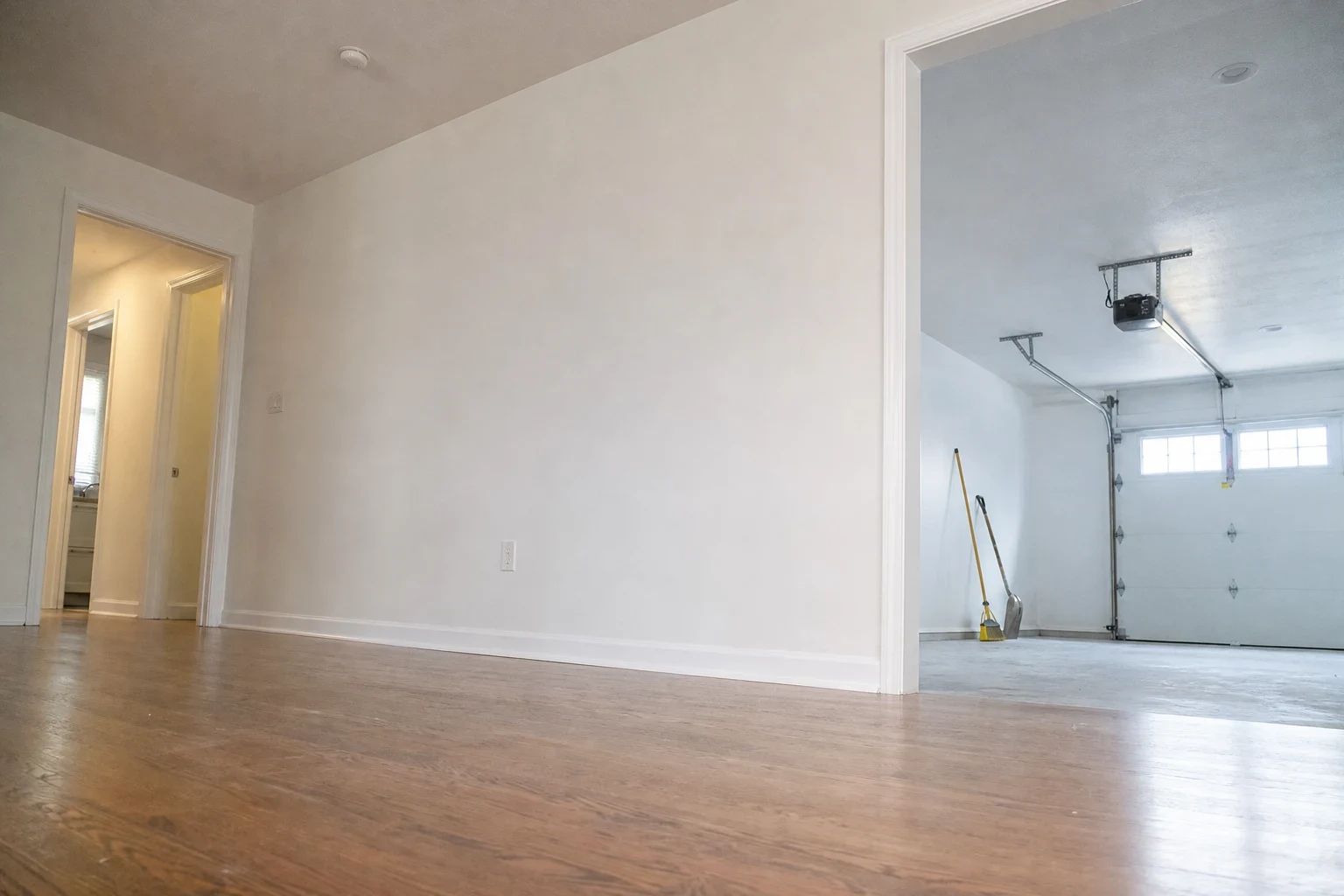
Let us know which walls and ceilings catch your eye and whether any paint is left over. We will walk you through how we would match it and what the visit looks like.