ServicesPaint-Ready Walls
Paint-Ready Wall Prep in Carteret
New color shows every flaw underneath it. We repair the cracks, nail pops and rough patches, sand everything flat and prime the repairs so your walls look smooth once the paint goes on. You get a clear plan and a clean work area.
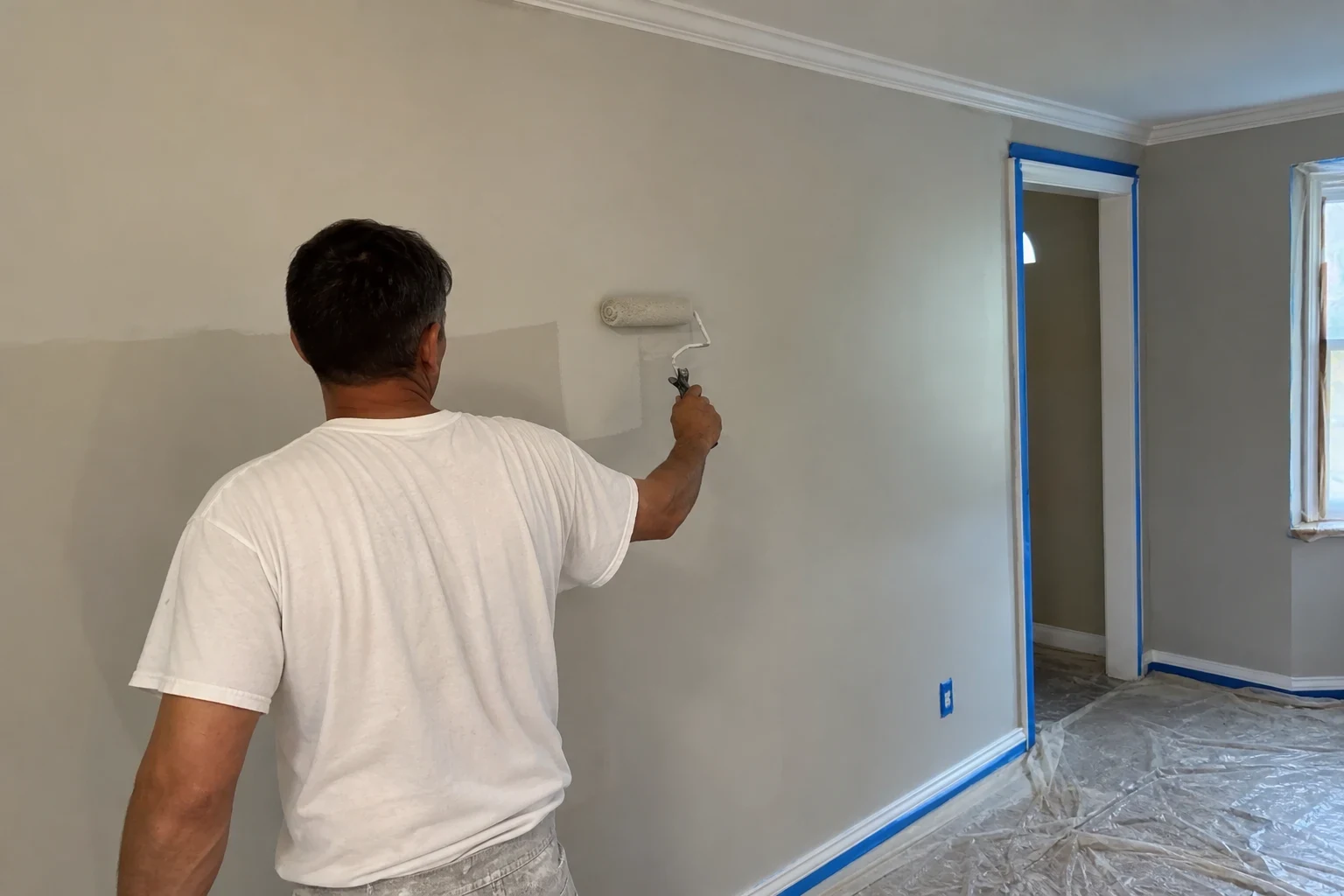
Fix the Wall First, Then Add the Color
Most paint jobs that disappoint were not painted badly. The wall under them was never ready. A hairline crack telegraphs through two coats, a patch without primer dries to a dull spot, and a nail pop turns into a bump you see every time the light hits it.
Our job is everything that happens before the color. We repair the drywall, feather the compound wide so edges disappear, match the texture where your walls have one, and seal fresh mud with primer. When we leave, you or your painter can start on a surface that is truly ready.
Timing matters too. Winter heat dries the air and opens seams, while humid summer days slow how fast compound cures. We plan the work around the season so repairs set properly and stay put.
What You Get With Our Paint-Ready Prep
- Fixing cracks and seams
- Loose tape comes out, the joint is taped again and built back up with thin coats. Corners over doors and windows move more than anywhere else, so we give those cracks extra care.
- Stopping nail pops
- We set the popped fastener back in, add a screw next to it to pull the board snug, and fill over it so fresh paint doesn't end up with a bump.
- Holes, dents and anchor marks
- Minor holes are filled and sanded. Bigger damage gets a full drywall patch, explained in detail on our Drywall Patching page.
- Matching your texture
- Where walls or ceilings carry an orange-peel or knockdown finish, we recreate it over each repair so it doesn't stand out as a flat square.
- Sanding and spot primer
- Each repair is sanded flush and primed. The primer seals the compound so the paint soaks in evenly and the patches don't dry dull.
- Minor paint touch-ups
- If all you need is a repaired spot blended into the wall, our Paint Touch-Ups service takes care of it using your leftover paint or a close match.
Signs Your Walls Need Work Before Paint
Cracks that come back
If you have caulked or painted over the same crack more than once, the joint underneath needs to be re-taped, not covered again.
Bumps and small circles
Round bumps in a line usually mean nail pops. Paint alone will not flatten them.
Shiny or dull spots
Patches that look different in daylight were likely painted without primer. They will show again under fresh color.
Peeling or bubbling tape
Loose paper tape at seams or corners lifts further once new paint adds moisture and weight.
Seasonal seam lines
Seams that appear each winter and fade by summer point to movement that needs a stronger repair before you invest in color.
What Shapes the Price
Every room is different, so we price after seeing the walls. The written estimate shows what each part costs, and we talk through any change before doing extra work.
Number and size of repairs
A few nail pops take far less time than long seam cracks or several larger patches.
Condition of the drywall
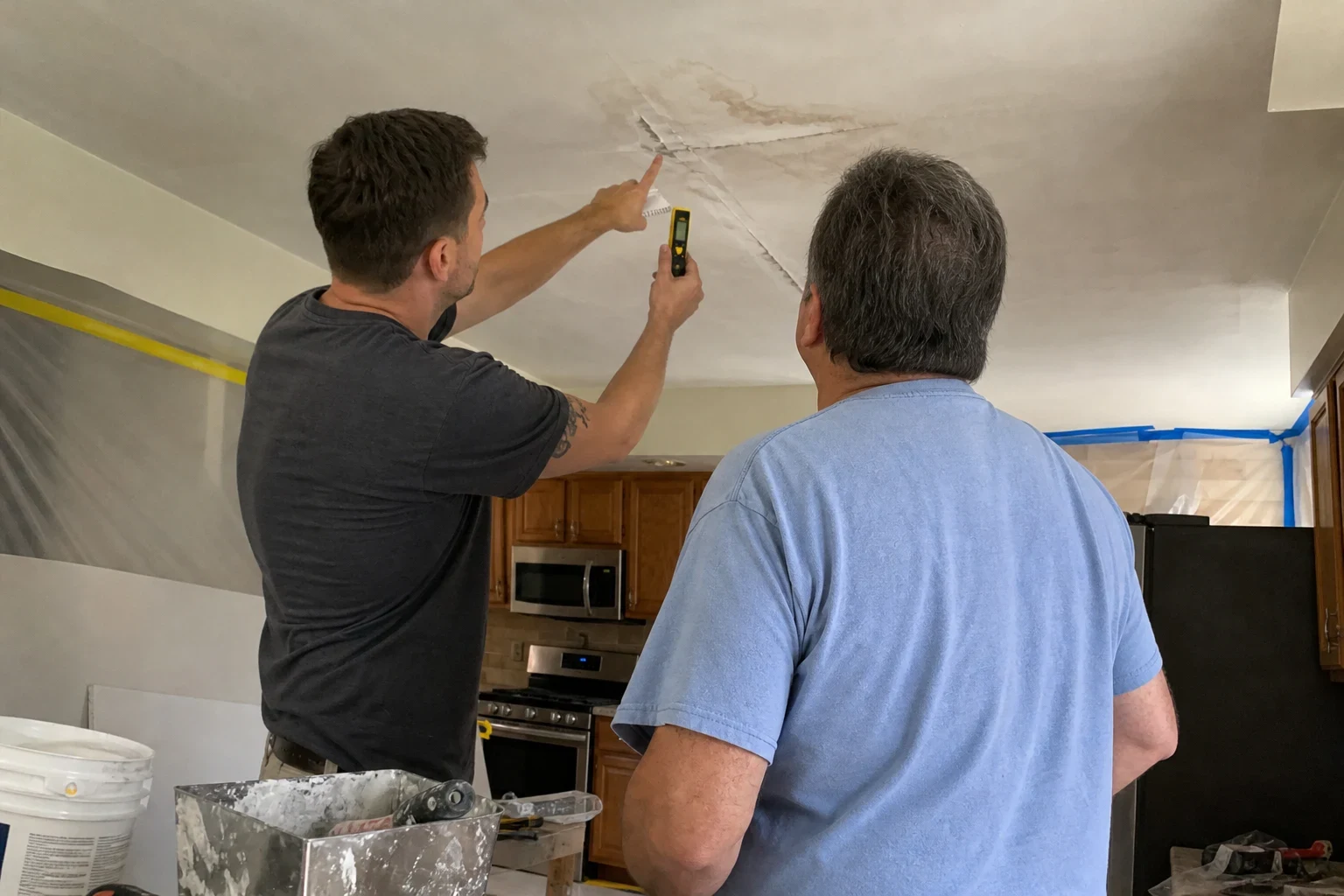
Walls with old, failing tape or water-softened board need more work than walls with surface flaws only.
Texture and ceilings
Matching a textured finish or working on high ceilings adds time, tools and sometimes extra drying.
Season and drying time
Humid weeks can stretch drying between coats, which may add a visit on bigger jobs.
How a Prep Day Runs
- 1
Start with a phone conversation
Let us know which rooms are getting new color and describe the cracks or bumps you have noticed. From there we pick a day to come look in person.
- 2
Walk the rooms together
We mark every flaw with you, explain what each repair involves and give you a written estimate with the work listed line by line.
- 3
Set up a clean work area
Before any compound comes out, we lay drop cloths along the walls we are working on and slide furniture toward the middle of the room under plastic. On sanding days, sheeting goes up over the doorways so dust does not drift into the rest of your home.
- 4
Repair, sand and prime
We tape, fill and patch in thin coats, letting each one dry. Then we sand smooth, check the walls with a work light from a low angle, and prime the repairs.
- 5
Clean up and hand off
We vacuum, wipe down surfaces and remove our materials. You walk the room with us before we call it done.
Questions About Getting Walls Paint-Ready
Can painting start right after you finish?
Usually yes, once the primer has dried. We tell you the exact timing before we leave, since it depends on how deep the repairs were and the humidity that week.
Why do repairs need primer if the walls will be painted anyway?
Joint compound soaks up paint differently than painted drywall. Without primer, patches dry flatter or duller and show through even after two coats. Spot-priming keeps the finish even.
When is the best time of year for this work?
Spring and fall are easiest because the air is mild and compound dries at a steady pace. We work year-round and adjust drying time in humid summer or dry winter months.
Will sanding leave a mess in the rest of the house?
Sanding does make fine powder, so we plan for it before the first coat of compound goes on. Coverings stay down for the whole job, doorways get plastic when needed, and we vacuum and wipe down before heading out.
Will a repaired crack come back after painting?
A crack that is re-taped and finished properly is much less likely to return than one that was just filled. If we see signs of bigger movement, we tell you honestly during the walkthrough.
Ready Your Walls Before the Season Changes
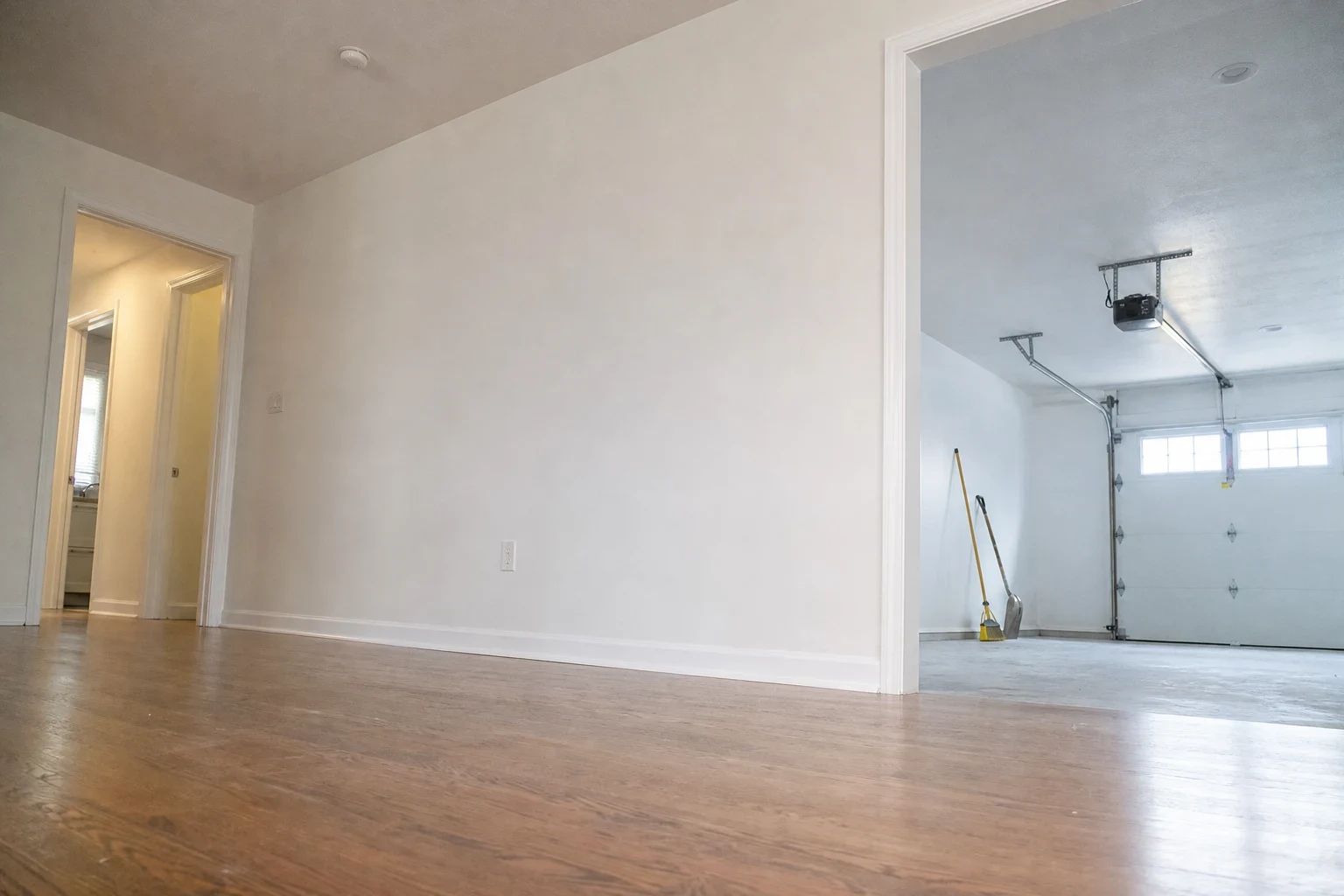
Tell us which rooms you plan to refresh. We will look at the walls, explain what they need and give you a clear written estimate.